
Tucked into the southern edge of Bwindi Impenetrable National Park, the Rushaga sector has become the most popular starting point for gorilla trekking in Uganda, largely because of its location near the Cyanika border with Rwanda and the sheer number of habituated gorilla families based here. Anyone planning a trek out of Rushaga can browse trek-specific itineraries on our primate safari page, and for background on the wider park and region, our destinations page is a useful starting point.
The Gorilla Families of Rushaga
Rushaga is home to eight habituated gorilla families, more than any other sector in Bwindi, which is exactly why it can issue more trekking permits per day than Buhoma, Ruhija, or Nkuringo. The named groups include Nshongi, once the largest family recorded in Uganda before it split into smaller units, along with Busingye, Kahungye, Mishaya, Bweza, Rwigi, Bikingi, and Mucunguzi. Each family ranges independently within the forest, so which group you’re assigned depends on where rangers have tracked them that morning rather than which trek you booked, and family sizes and compositions shift over time as younger silverbacks break away to start groups of their own.
Because assignments happen at the morning briefing rather than at the time of booking, trekkers rarely know in advance which family they’ll spend their hour with, though rangers do take fitness levels into account when handing out assignments, generally steering less mobile visitors toward families ranging closer to the trailhead that day. This makes Rushaga a fairly forgiving sector for a wide range of fitness levels, even though no group’s location can ever be guaranteed ahead of time.
Gorilla Habituation Experience: Rushaga’s Signature Activity
Rushaga is also the only sector in Bwindi that offers the gorilla habituation experience, a longer and more intensive alternative to a standard trek. Instead of the usual one-hour viewing window with up to eight visitors, the habituation experience allows a maximum of four participants to spend up to four hours with a family still being acclimatized to human presence, observing researchers and trackers as they work rather than simply viewing a fully habituated group. It’s priced separately from a standard permit and needs to be booked well in advance, since Rushaga only allocates a limited number of habituation slots per day.
The habituation experience costs roughly 1,500 USD per person, nearly double the standard trekking permit, and that premium reflects what you actually get: a smaller group, far more time in the forest, and a genuinely different kind of encounter built around the habituation process itself rather than a fixed viewing window. Rangers and researchers use this time to continue acclimatizing the gorillas to human presence, so participants often see natural behavior — feeding, resting, interactions between family members — over a longer stretch than a standard trek allows. It suits travelers who’ve already done a conventional gorilla trek elsewhere and want a deeper, slower encounter this time, or photographers and researchers who specifically need more than an hour to work with. Because only two groups in Rushaga are currently set aside for habituation, availability is tighter than for standard treks, and the four-participant cap means spots for a given date can sell out well before the trekking permits for the same day do.
What to Expect on a Trekking Day in Rushaga
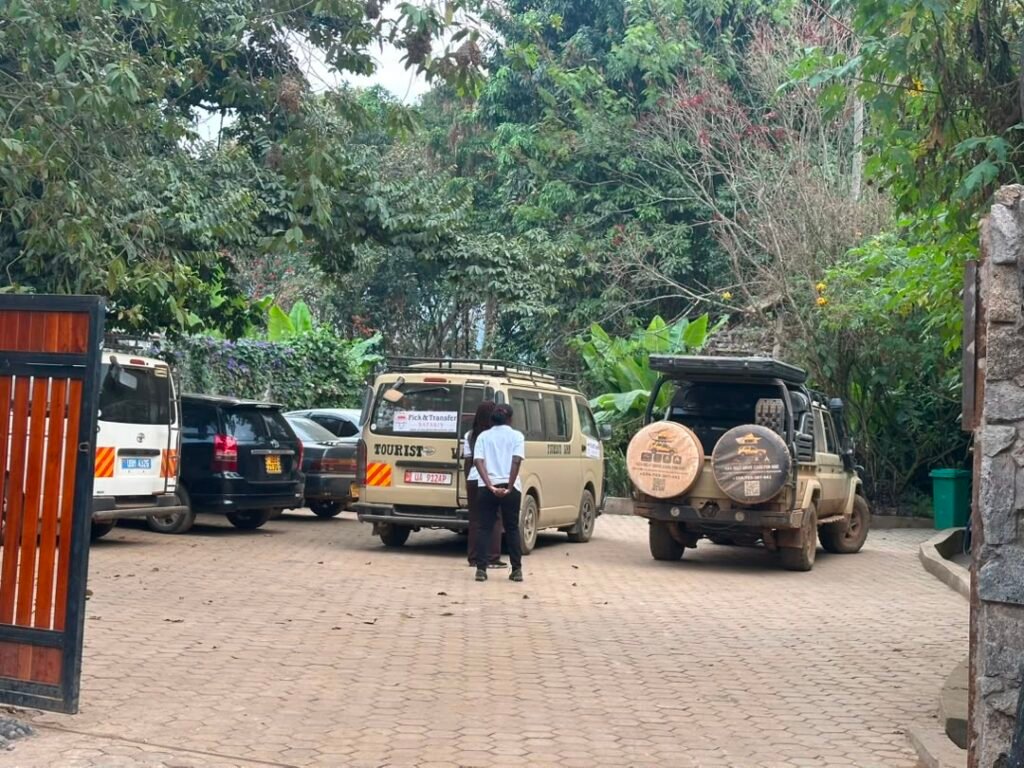
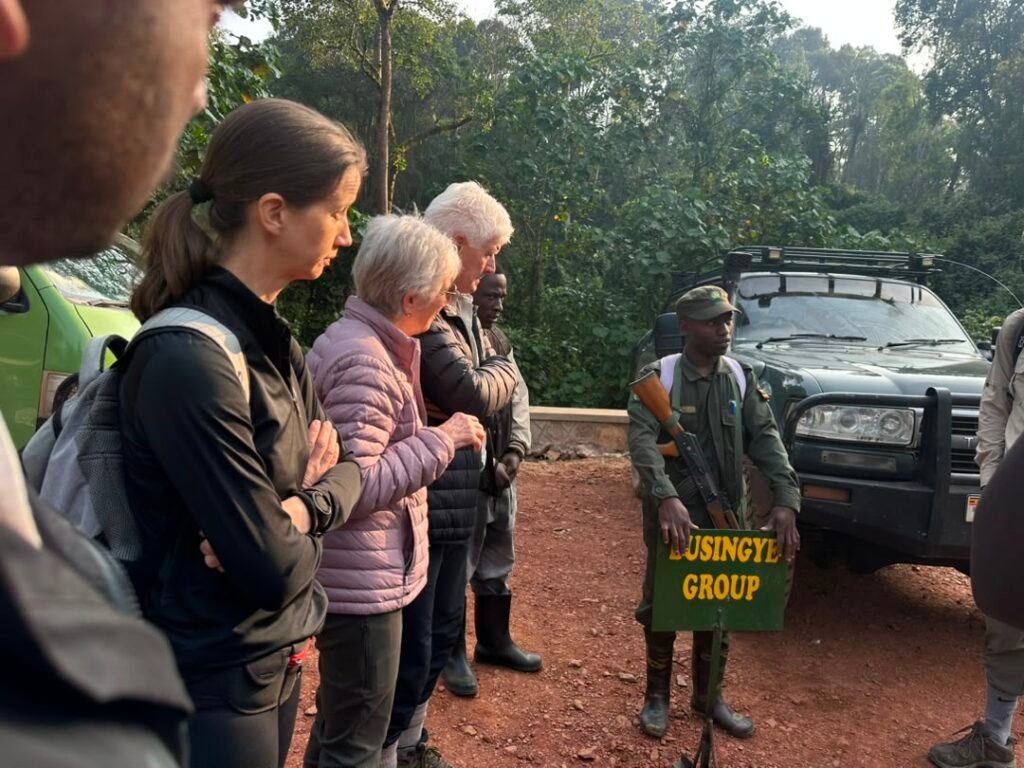
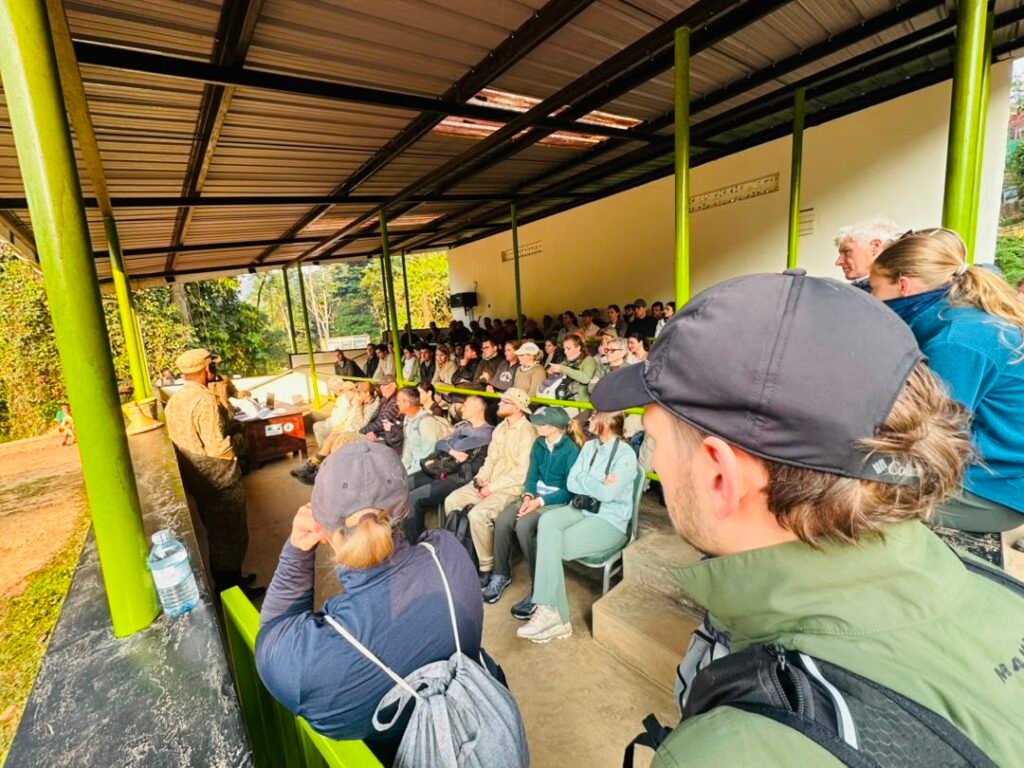
Every trek in Rushaga begins with a briefing at the sector’s park headquarters, usually starting around 7:00 to 7:30 am, where visitors are split into groups of up to eight and assigned to a specific gorilla family along with a ranger guide and armed escort. From there, the hike itself can run anywhere from thirty minutes to several hours each way depending on where that family happens to be ranging that morning, over terrain that’s often steep, muddy, and thick with vegetation regardless of season. Porters are available to hire at the trailhead for a modest fee and are worth taking regardless of fitness level, both to make the climb easier and to support the local porter community that relies on that income. Once the group locates the gorillas, visitors get a strict one-hour viewing window, a limit set by the Uganda Wildlife Authority to protect the animals rather than something any guide can extend.
Best Time of Year to Trek in Rushaga
The June-to-September and December-to-February dry seasons bring the easiest trekking conditions in Rushaga, with firmer trails and more reliable road access into the sector. April, May, and November are wetter and muddier underfoot, but they also bring the discounted low-season permit price and noticeably thinner crowds at the park headquarters, which makes them a smart target for travelers prioritizing value and a quieter trailhead over guaranteed dry footing. Because gorilla trekking runs year-round in Uganda, there’s no wrong season to visit Rushaga specifically — the choice mainly comes down to weighing cost and crowd levels against trail conditions.
Community Tours Around Rushaga
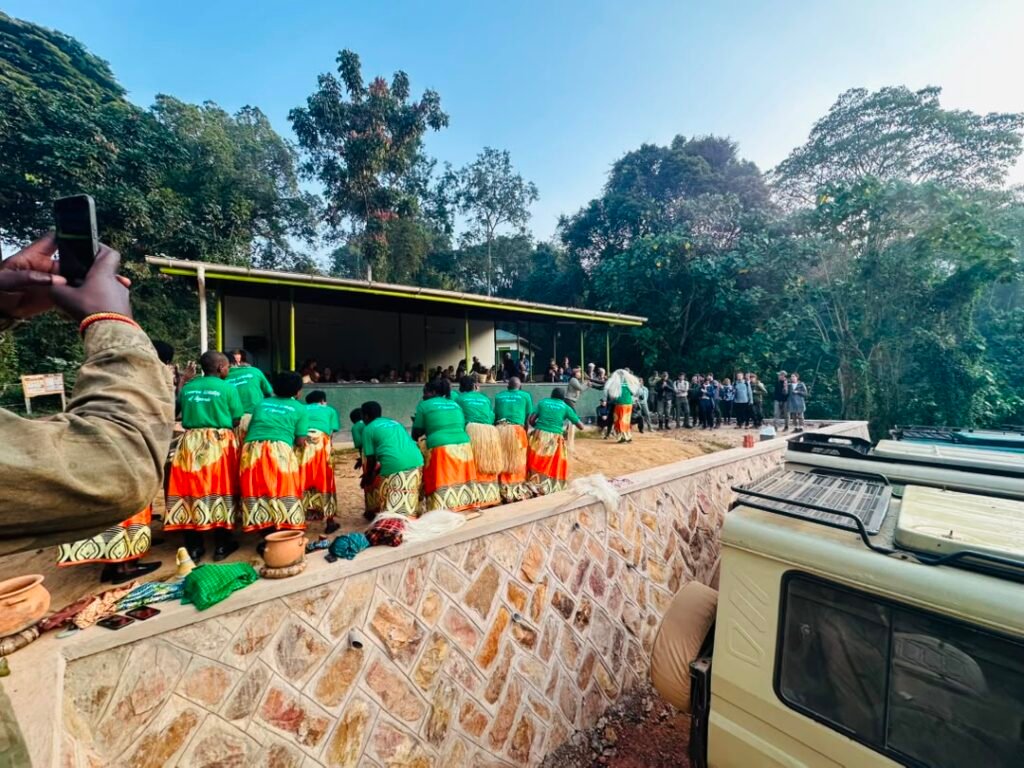
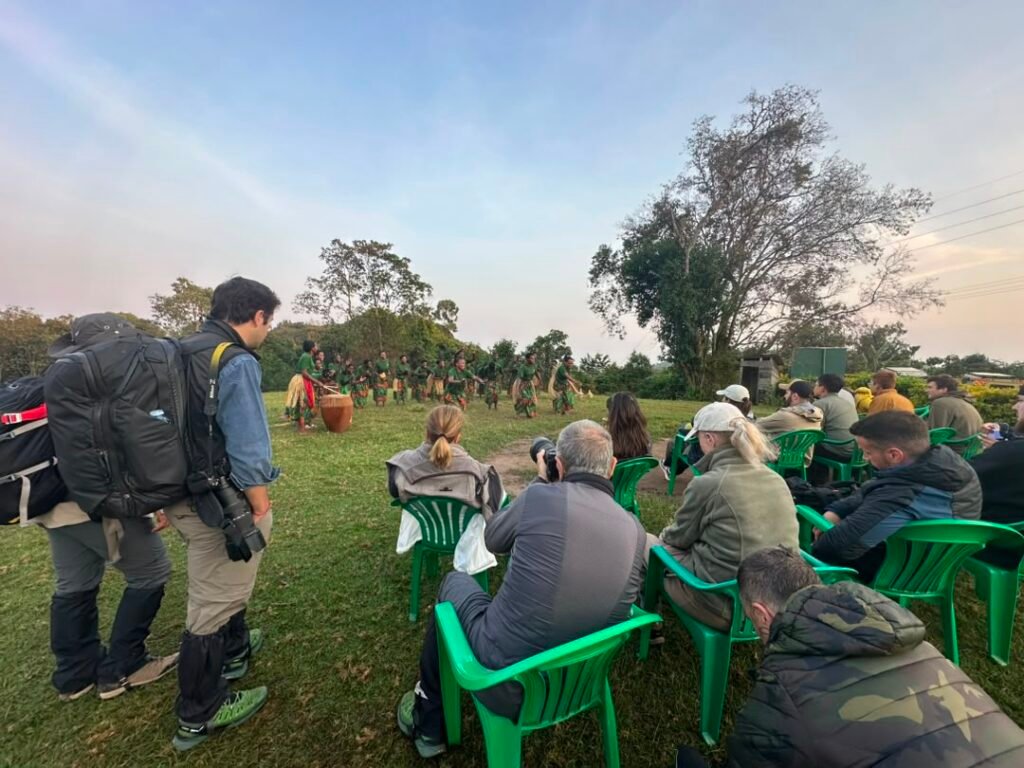
Trekking isn’t the only reason travelers base themselves near Rushaga. Batwa community walks, run in partnership with local indigenous communities displaced from the forest when Bwindi was gazetted as a national park, offer a look at traditional forest life, storytelling, and craft-making, and are commonly combined with a rest day either before or after a trek. Village walks through nearby Rubuguri town add a more everyday cultural layer, taking in local homes, schools, and markets, while a side trip to Lake Mutanda, a short drive from the sector, gives non-trekking companions a scenic, low-effort way to spend a day between activities.
Most of these community activities run for half a day and can be scheduled either the afternoon before a trek or the day after, which suits travelers who want to avoid stacking a long drive, a trek, and a cultural visit into the same twenty-four hours. Lodges around Rushaga typically help arrange these visits directly, and combining two or three of them into a single extra day is common practice for guests who’ve already made the long trip to this part of the country.
How to Get to Rushaga
Rushaga’s biggest practical advantage is how close it sits to Rwanda. From Kigali International Airport, the drive to Rushaga runs roughly four to five hours via the Cyanika border crossing, making it the most convenient Bwindi sector for travelers arriving from Rwanda rather than Uganda. From Entebbe or Kampala, the road journey takes considerably longer, typically eight to ten hours via Mbarara and Kisoro, which is why most Uganda-based travelers either break the trip with an overnight stop or fly. A roughly one-hour scheduled or chartered flight from Entebbe or Kigali to the Kisoro airstrip, followed by a short transfer, is the fastest way to reach Rushaga from either city.
Gorilla Permits and Planning Your Trip
A standard gorilla trekking permit for Rushaga costs the same as anywhere else in Uganda — 800 USD per person in high season, dropping to 600 USD during the April, May and November low season, set by the Uganda Wildlife Authority regardless of sector. Because Rushaga has the highest number of habituated families of any sector, it also tends to have more permit availability during peak months, which makes it a practical choice for travelers booking on relatively short notice. For a ready-made itinerary built around this exact sector, our sister operator’s 3 Days Uganda Gorilla Safari routes directly through Rushaga, and their full gorilla safaris lineup covers other Rushaga-based options as well. You can also reach out directly through our own contact us page to plan a trek matched to your dates.


